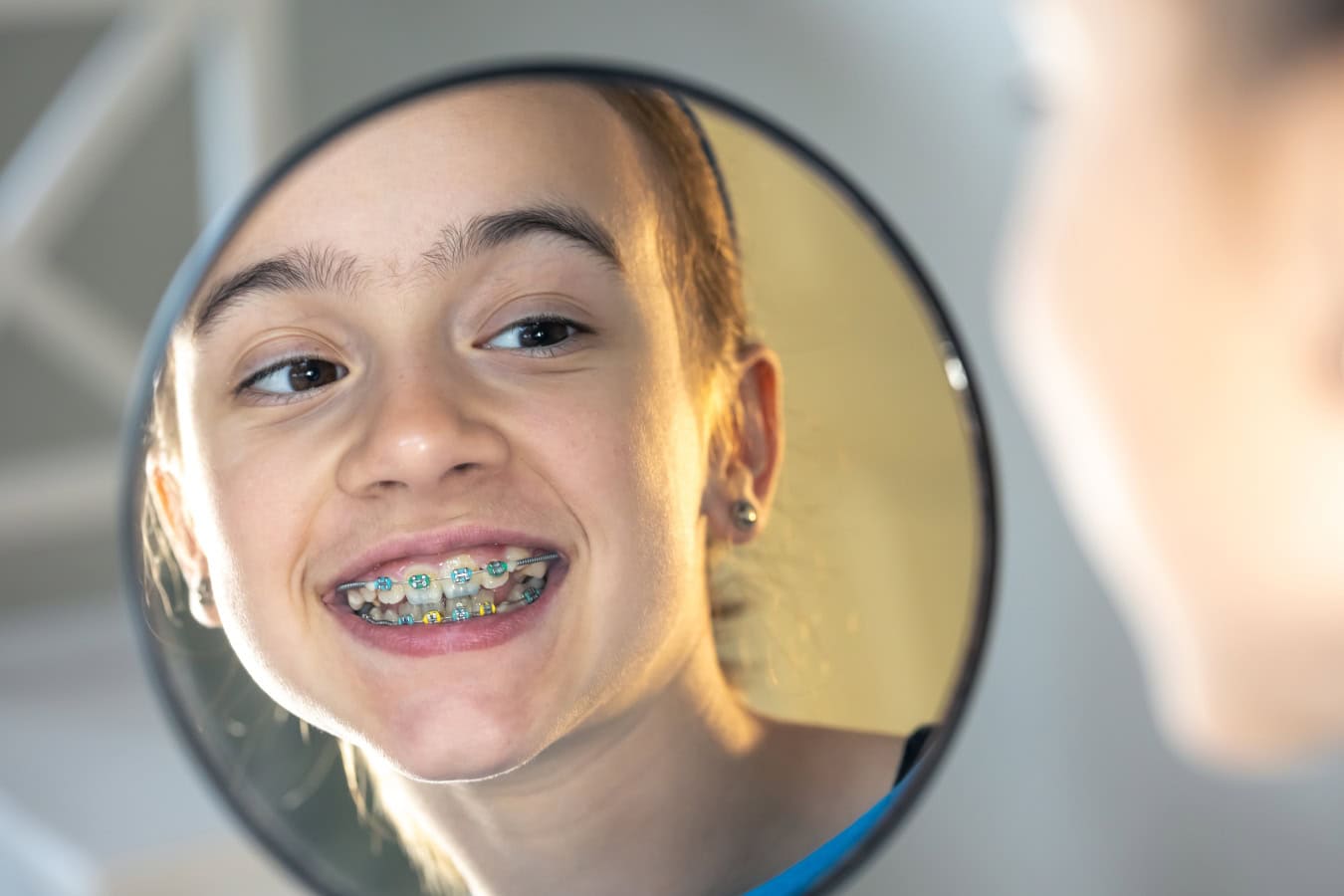
Braces can do more than create a picture-perfect smile — they can improve how your child eats, speaks, and even breathes. But how do you know when it’s time to consider orthodontic treatment?
For many parents, the idea of braces doesn’t come up until the teenage years. However, early signs of orthodontic issues can appear much earlier — sometimes as young as age 7. The key is knowing what to look for and understanding when it’s time to schedule an evaluation.
This guide outlines the most common signs that your child may need braces, so you can feel confident making informed decisions about their dental health.
Why Early Evaluation Matters
The American Association of Orthodontists recommends that children have their first orthodontic check-up by age 7. That might sound early, but by this age, most children have a mix of baby teeth and permanent teeth, making it easier to identify developing alignment issues.
Early evaluation doesn’t always mean early treatment. In some cases, an orthodontist will recommend monitoring until more teeth come in. But identifying potential concerns early can lead to simpler, shorter treatment later on — and may even prevent more serious issues from developing.
Common Signs Your Child May Need Braces
While only an orthodontist can provide a diagnosis, there are several signs parents can watch for that may indicate the need for braces or other orthodontic care.
1. Crooked or Crowded Teeth
This is one of the most noticeable signs. If your child’s teeth overlap, twist, or appear out of line, it could be a result of insufficient space in the mouth. Crowding not only affects the appearance of their smile but can also make it harder to clean teeth properly, increasing the risk of cavities and gum issues.
2. Gaps Between Teeth
Spaces between teeth may seem harmless, especially in younger children. However, significant gaps in the wrong places — especially if they persist as more permanent teeth come in — could signal alignment or spacing problems that require intervention.
3. Overbite, Underbite, or Crossbite
Pay attention to how your child’s upper and lower teeth fit together when they bite down. Signs of bite problems include:
- Overbite — Upper teeth stick out significantly past the lower teeth
- Underbite — Lower teeth extend in front of the upper teeth
- Crossbite — Upper and lower teeth don’t align properly when biting
Bite issues can affect chewing, speech development, and jaw growth if not corrected early.
4. Mouth Breathing or Snoring
Chronic mouth breathing or nighttime snoring can sometimes be linked to jaw development problems or a narrow airway — both of which may be addressed through orthodontics. If your child regularly breathes through their mouth, especially while sleeping, it’s worth bringing up during a dental or orthodontic visit.
5. Difficulty Chewing or Biting
If your child struggles to bite into food evenly, avoids chewing on certain sides, or complains about discomfort when eating, it could be due to misalignment. This is especially important to note if they’ve developed a preference for soft foods or chew unevenly.
6. Early or Late Loss of Baby Teeth
Losing baby teeth too early or too late can affect how permanent teeth erupt. If baby teeth are lost prematurely due to decay or trauma, it can lead to crowding. If baby teeth are retained too long, permanent teeth may come in out of position or become impacted.
7. Thumb Sucking or Prolonged Pacifier Use
Habits like thumb sucking or pacifier use beyond age 3–4 can cause the front teeth to push outward and affect the shape of the upper jaw. If your child had a strong oral habit in early childhood, it’s a good idea to have their bite evaluated — even if their teeth appear straight.
8. Speech Issues
Some speech difficulties, such as lisps or trouble pronouncing certain sounds, may stem from misaligned teeth or jaw problems. While speech therapy may help, orthodontic treatment is sometimes part of the solution.
9. Teeth Grinding or Jaw Clenching
While it’s common for children to grind their teeth during sleep, excessive grinding or clenching could be linked to bite alignment problems. These habits can also cause tooth wear or jaw discomfort over time.
When to Schedule an Orthodontic Evaluation
If you’ve noticed one or more of the signs above — or if your child’s dentist has expressed concerns — it may be time to schedule a consultation with an orthodontist.
An evaluation doesn’t mean treatment will start right away. In many cases, orthodontists recommend a two-phase approach:
- Phase 1 (early/interceptive treatment) — For younger children (typically 7–10) to address major developmental issues or make room for permanent teeth.
- Phase 2 (comprehensive treatment) — Begins once most or all adult teeth have erupted, usually between ages 11–14, and involves braces or clear aligners.
The earlier potential issues are identified, the more options you’ll have — and the better the outcomes tend to be.
Benefits of Early Orthodontic Care
Early intervention can offer several long-term benefits for your child, including:
- Shorter treatment time later
- Reduced risk of permanent tooth extractions
- Improved facial symmetry and jaw development
- Better speech, breathing, and chewing function
- Higher self-esteem and confidence in school-age years
Even if braces aren’t needed right away, regular orthodontic monitoring during your child’s development can help catch changes before they become more serious.
Start with Observation, Then Take Action
As a parent, it’s natural to wonder whether your child will need braces — and when the right time to begin treatment might be. While every child develops at their own pace, paying attention to early signs of alignment or bite issues can make a big difference.
You don’t need to make decisions immediately, but early awareness gives you — and your child — more control, more treatment options, and better long-term outcomes.
Considering Orthodontic Care for Your Child?
If you’ve noticed signs that your child may need braces, the best next step is a professional evaluation. At Scott Orthodontics, we provide gentle, expert care for children of all ages in Mitchellville, Silver Spring, and surrounding areas. We’ll walk you through every step of the process — with a custom plan tailored to your child’s unique smile and growth stage.
Schedule a complimentary consultation today and give your child the confident, healthy smile they deserve.